


How community demonstration farms are helping farmers increase harvests, incomes, and food security
For families facing hunger and poverty, stable agriculture and crops are the way to food security. When farmers have access to training and reliable markets, they can grow more food, earn more income and build a healthy future for their children.
In this blog, you’ll learn how Community Demonstration Farms are helping smallholder farmers in El Salvador adopt sustainable farming practices, how Food For The Poor and its partners are expanding opportunities through the Seed-to-Market Model, and why investing in agriculture is one of the most effective ways to strengthen food security and transform communities.
Agriculture is the backbone of global food security, sustaining billions of people and supporting livelihoods worldwide, especially in developing countries where farming is often the main source of income and nourishment for rural families. When farming systems are strengthened through sustainable practices, improved inputs and practical education, harvests increase, incomes stabilize and communities become more resilient. When agriculture is neglected, food production declines, prices rise and poverty and malnutrition deepen. For economically vulnerable countries, investing in agriculture is essential to reducing hunger and securing long-term health, stability and opportunity.
Community Demonstration Farms (CDFs): Living Agricultural Classrooms
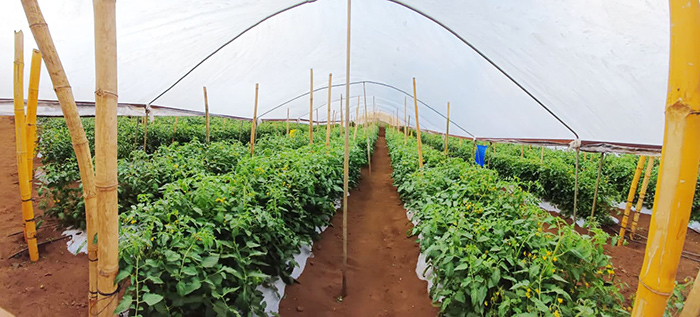
CDFs are “living classrooms” where farmers learn through hands-on experience, turning theory into visible results. These plots showcase improved farming practices, sustainable techniques and new technologies in real-world conditions. Instead of relying only on theoretical instruction, community members see results firsthand, such as higher yields, healthier soil and better irrigation methods, then apply those lessons to their own farms. In short, demonstration farms serve as hubs for training, peer learning and experimentation, helping communities adopt better farming practices.
Farming Erosion in El Salvador
Agriculture remains vital to El Salvador’s economy and rural livelihoods, with smallholder farmers producing staple crops such as corn and beans, as well as export crops like coffee and sugarcane. However, the sector faces growing challenges, including climate change, soil degradation, land fragmentation and extreme weather events. To strengthen food security and bolster rural families, FFTP has prioritized sustainable farming practices, crop diversification and increased agricultural productivity. In the face of ongoing challenges, we have remained committed to partnering with local organizations, made possible through the remarkable generosity of our donors, to help farming communities move toward greater stability and a path out of poverty.
Seed-to-Market Model
In 2024, FFTP, in partnership with Acceso, El Salvador’s leading smallholder farmer-sourcing agribusiness, launched a three-year initiative to implement Acceso’s Seed-to-Market Model for smallholder farmers focused on grain and legume production. The project’s aim was to strengthen farmers’ access to training, technical assistance, input financing and reliable markets.
Over 3,500 Farmers Incorporated into the Project
The project enrolled 3,529 farmers, surpassing its annual target of 3,500 and achieving 101% of its recruitment goal. Of these, 1,804 were returning participants from an earlier phase, while 1,725 were new to the program. Building on lessons learned and refining its approach, the Seed-to-Market Model was strengthened through the development of three CDFs and the expansion of direct, on-farm support to producers working their own plots.
Fields of Promise: Supporting Maize and Bean Farmers
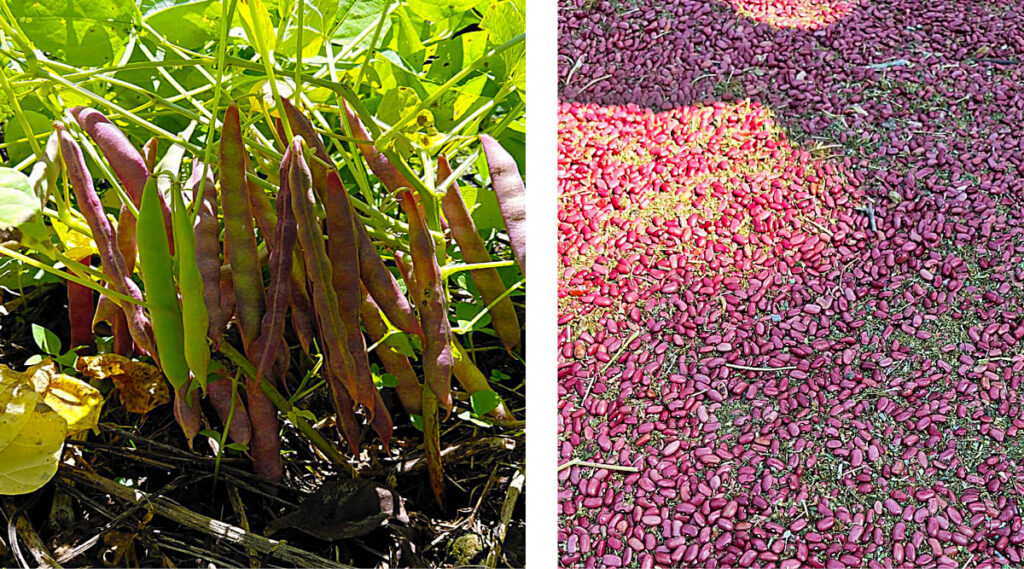
All participating maize and bean producers received in-person training and technical assistance. A total of 562 group training sessions and 16,196 field visits were conducted, covering soil preparation, crop nutrition, pest and disease management, and harvest and postharvest practices. In addition, 18 CDF-based training sessions reinforced hands-on learning and diversification strategies.
Access Today, Harvest Tomorrow: The Input Credit Program
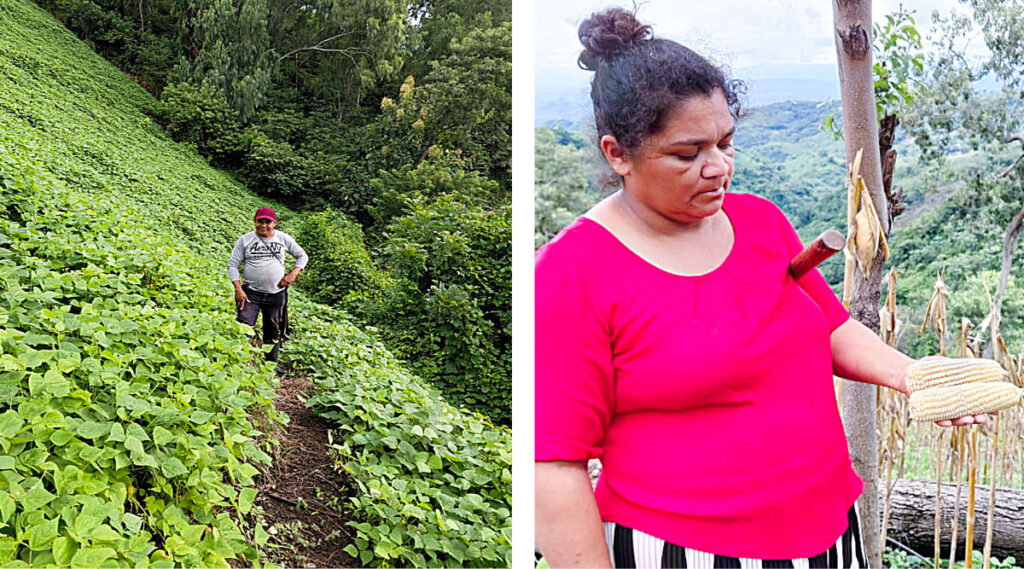
Through the Input Credit Program, 100% of farmers (3,529) received access to agricultural packages, with 4,347 input packages delivered, valued at $864,111. This support contributed to significant productivity gains, with maize yields reaching 70–72.5 quintals (one quintal is 100 pounds) per manzana (1.73 acres) and bean yields reaching 13–13.7 quintals per manzana. As a result, participating farmers experienced an estimated 30–35% increase in income, strengthening resilience, food security and long-term livelihood stability.
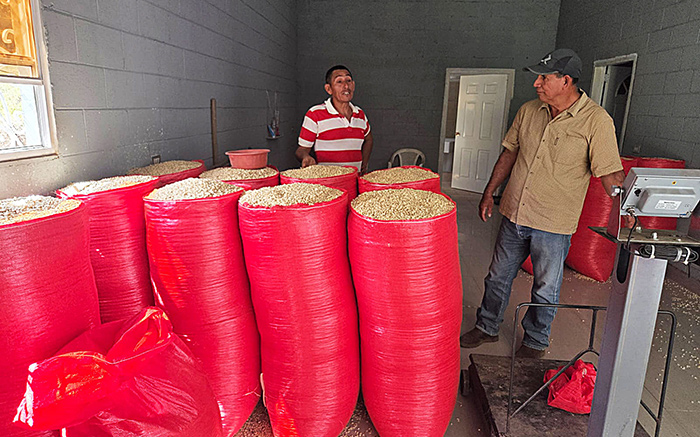
From Seed to Stability: Lifting Families Through Farming
In underdeveloped countries, where one poor harvest can mean hunger or debt, CDFs provide hands-on training, access to improved inputs and the confidence to try new methods that increase yields and income. When farmers produce more, families eat better, children stay in school and local markets grow stronger. These farms become hubs of knowledge and hope, proving that when the underserved producers are equipped and empowered, the entire community rises with them.
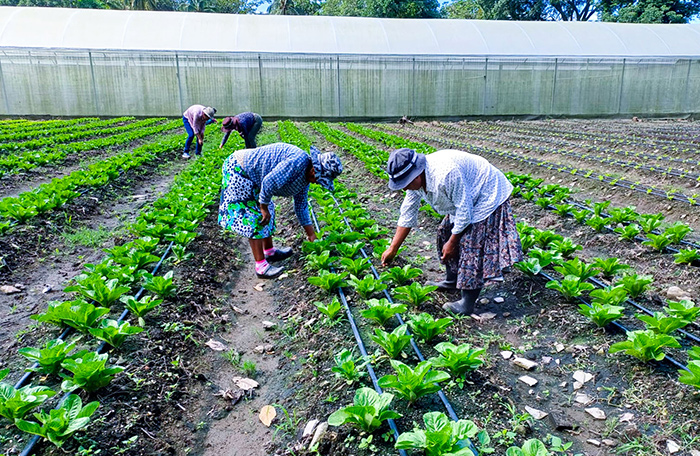
Blanca’s Harvest of Hope
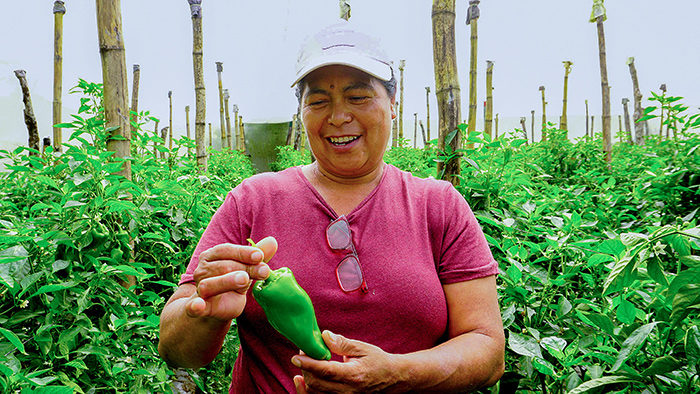
Blanca, a graduate of a Community Training Farm (CTF) in Tonacatepeque, joined the program seeking additional income for her family. Though she once had little interest in agriculture, hands-on training in sustainable agriculture helped her discover a passion for cultivation. She began growing 800 green pepper plants on her husband’s land, expecting to harvest up to 12,000 peppers and generate up to $1,800 in income. Today, Blanca supports her family and her son’s university education, dreaming of expanding her production to create opportunities for other women in her community.
Why Sustainable Agriculture in El Salvador Matters for Lasting Change
Helping agriculture prosper in developing countries matters because it honors the dignity of families who depend on the land to survive and thrive. When smallholder farmers are empowered to grow food, earn a stable income, and provide for their children, they move from survival to hope.
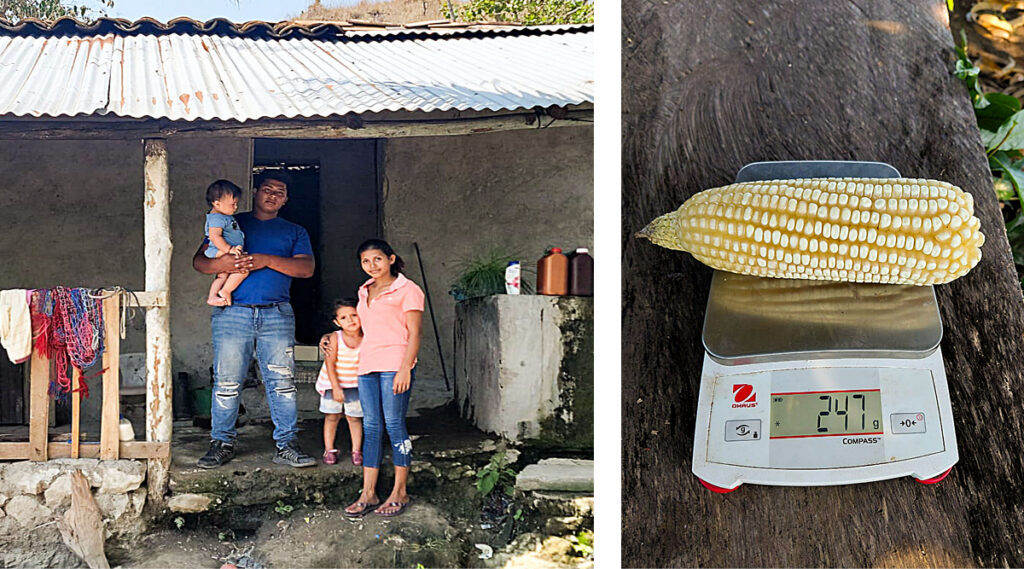
When families can grow enough food to feed their children and earn a reliable income from the land they cultivate, entire communities benefit and become stronger. Through agriculture and food security initiatives, Food For The Poor works alongside local partners to help farmers gain the knowledge and access to resources and opportunities they need to sustain their families and invest in their own future.
You can help even more farming families move from uncertainty to stability by supporting programs that boost sustainable agriculture and create opportunities for generations to come.